Proudly serving Phoenix, Scottsdale, Mesa, Tempe, Chandler, Glendale & surrounding areasCall or Text 24/7: 480-916-8033
Aerial drone view of a suburban neighborhood and desert landscape with saguaro cacti in Phoenix, AZ.

Affordable Cactus Removal in Phoenix, AZ

For cheap cactus removal in Phoenix, Phoenix Cactus Removers starts with a clear, property-specific scope. Our affordable service options include saguaro removal, emergency and fallen cactus removal, trimming and pruning, and relocation and transplanting across the Salt River Valley. Inexpensive project scopes can also cover saguaro straightening and stabilization, cactus health evaluation and disease treatment, and saguaro surgery and limb removal. A budget-friendly plan may include cholla, prickly pear, and desert cactus removal plus hauling with stump and root removal when those tasks fit the site. Rather than claim the cheapest price for every project, we shape each estimate around species, height, access, rigging, cleanup, permits, and the property owner's budget.

Price comparisons work only when quotes cover the same preparation, equipment, safety steps, hauling, cleanup, and permit responsibilities. Two bids for the same saguaro can differ by hundreds of dollars when one includes root-ball removal and salvage documentation and the other does not. The lowest prices may reflect a smaller scope, not better long-term value, especially around pools, block walls, roofs, or utility lines. A property walkthrough lets us match the crew, rigging, disposal plan, and follow-up details to the cactus and site.

Compare Cactus Removal Prices and Options

People searching for the cheapest cactus removal should compare more than the headline total. The price table separates small-cactus removal, average and large saguaro removal, and trimming so the project unit, included work, and cost drivers remain visible. Use the calculator next to organize the variables that shape a site-specific estimate.

Phoenix Cactus Removal Price Ranges by Project Scope

Service or project scopeTypical project rangeWhat the range includes or what changes it
Small cholla, prickly pear, or barrel cactus removal$130-$490 per projectSize, root depth, and whether hand tools or equipment are needed
Average saguaro removal$400-$1,200 per projectHeight, arm count, access, controlled lowering, and standard cleanup
Large saguaro removal$1,300-$2,500 per projectHeight, rigging, extended crew time, disposal volume, and full root removal
Cactus trimming and maintenance$100-$300 per visitService frequency, arm count, and cactus health condition

Affordable Cactus Removal Options in Phoenix

Across Phoenix's 517.9 square miles, properties from Arcadia and Ahwatukee to Desert Ridge can require very different cactus scopes. A Phoenix-area saguaro removal ranges from $275-$1,075 as site access and crew size change. The most useful low cost option is the one that matches the species, condition, and required cleanup without omitting work that the property actually needs.

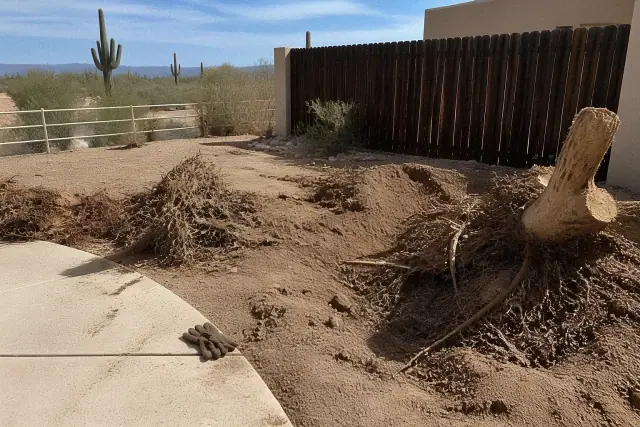
Cactus being removed from bare earth near a concrete patio and wooden fence in Phoenix, AZ.

Match Cactus Removal to the Scope

Small cholla and prickly pear clusters may need hand tools and minimal labor, while a tall, multi-arm saguaro can require padded rigging, a boom truck, and a larger crew. Right-sizing the method keeps the budget tied to the work instead of a one-size-fits-all package.

  • Start with a health evaluation when disease or structural condition is unclear.
  • Use trimming, pruning, or limb removal when full removal is not the right scope.
  • Include hauling, stump work, and root removal when complete site clearance is needed.
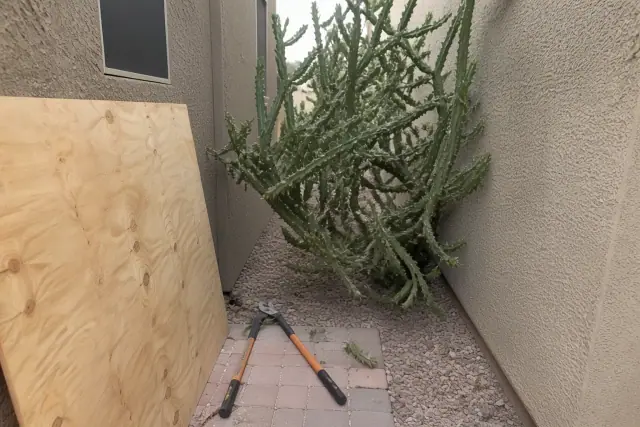
Overgrown cactus being removed in a narrow stone-paved side yard alleyway in Phoenix, AZ.

Compare Removal, Trimming, and Relocation

Removal is not the only possible scope for every cactus. Common cactus varieties may carry $2-$25 in material value, while specialty cacti may carry $30-$120, so relocation versus replacement can affect the hauling decision when transplanting is viable.

  • Relocation and transplanting preserve a viable cactus at a new site.
  • Saguaro straightening and stabilization address a leaning specimen before removal is chosen.
  • Removal with hauling clears fallen, hazardous, or unwanted cactus material.
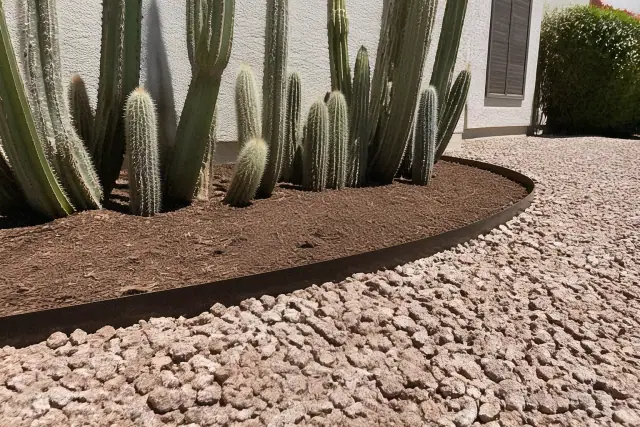
A manicured desert landscape with crushed stone, cactus, and fresh mulch in Phoenix, AZ.

Protect Property and Long-Term Value

Saguaros are protected under Arizona native-plant rules, so permit or salvage-tag responsibilities belong in the scope before work begins. Cost-conscious planning also accounts for controlled lowering, spine protection, adjacent landscaping, and the remaining plant structure on pruning jobs.

  • Put removal method, cleanup, permit responsibility, and disposal destination in writing.
  • Use padded lifting equipment, planned drop zones, and puncture-resistant PPE where the scope requires them.
  • Follow ISA-informed cuts for trimming and saguaro limb removal.

Cactus Removal Cost Factors in Phoenix

Species, height, arm count, root depth, condition, site access, crew size, rigging, and disposal volume all affect cactus removal cost. Permit documentation, emergency mobilization, preparation, and final cleanup can also change the estimate, which is why matched scopes matter more than a single advertised number.

Cactus Size, Species, and Condition

A five-foot barrel cactus and a twenty-foot multi-arm saguaro are not comparable projects. Small cholla or prickly pear may come out with hand tools, while a large saguaro's weight, arms, damage, or disease can increase rigging and controlled-lowering time.

Equipment, Root Work, and Hauling

Large saguaros may require rigging straps, padded lifting gear, a boom truck, and extra crew time. Mature saguaro roots spread wide but stay relatively shallow, typically within the top few feet of soil, so full excavation is priced around root spread; hauling then depends on cactus volume and the number of vehicle trips.

Site Access and Property Preparation

Backyard saguaros behind block walls, cacti beside pools, and specimens on sloped North Phoenix lots take more time to reach and lower safely. Straight driveway access can reduce labor, while clearing ground cover, moving vehicles, opening an equipment path, and flagging sprinkler lines or buried utilities before arrival keeps preparation efficient.

Timing, Emergency Needs, and Permits

Phoenix summer temperatures regularly exceed 100 degrees, limiting safe work hours, while monsoon conditions from June through September can delay scheduled work or create urgent fallen-cactus needs. Fall and winter often allow more efficient crew days and better cactus-relocation survival, and the estimate should separately account for emergency mobilization, after-hours labor, and Arizona Department of Agriculture or City of Phoenix documentation when required.

Budget-Friendly Cactus Removal Planning

A budget friendly plan begins with a written scope that names the cactus species and count, removal method, permit responsibility, cleanup, hauling, and disposal destination. Ask whether stump or root work, extra hauling trips, filing fees, and after-hours rates are included before treating a cheap headline as the final cost.

Combining a health evaluation, trimming, and removal of a secondary cholla or prickly pear cluster in one site visit can reduce repeated mobilization. Scheduling outside peak summer heat and monsoon season, preparing access, and protecting nearby landscaping also help the crew use time efficiently without cutting essential scope.

  1. Share the species if known, approximate height, photos, property location, and access obstacles.
  2. Walk the site to assess condition, rigging space, utilities, structures, roots, and cleanup needs.
  3. Compare the written removal, permit, hauling, disposal, and follow-up responsibilities.
  4. Confirm unclear items and schedule only after the complete scope fits the property and budget.

Request an Affordable Cactus Removal Estimate in Phoenix

Request a free, no-obligation site visit for cactus removal in Phoenix, Scottsdale, Tempe, Mesa, Glendale, Chandler, or another community in the surrounding Valley. Tell us the species if known, approximate height, property position, and access obstacles, and add photos when available. We will review the work, cleanup, permit, and disposal scope with you so the estimate can reflect the project and your budget.